
良い製品だけでは足りないー日本市場で成功するために本当に必要なこと

By Taiki Ito
English follows.
皆さん、肌ケアできていますか?(執筆時2026年6月)
日本はこれから夏本番で日差しが強くなる一方、ニュージーランドはどんどん寒くなり、お肌カサカサの季節に突入しています。お肌よわよわな私にとって、保湿はトッププライオリティ!NZ渡航時も、大量の化粧水をキャリーケースに詰め込んできました。
さて、そんな私たちの生活に欠かせないスキンケアですが、日本の化粧品の市場規模はコロナ禍以降、右肩上がりの成長を続けています。高単価商品の人気高騰や、メンズコスメ需要の拡大などが主な要因のようです。海外からの輸入額もぐんぐん伸びており、日本の化粧品市場がいかに「ホット」な状態かお分かりいただけるかと思います。

Figure 1化粧品輸入額の推移
「それなら、海外ブランドもこぞって参入しそう!」と思いますよね。しかし、この化粧品の輸入、実は一筋縄ではいきません。よく「日本市場でビジネスを成功させるのは難しい」と言われますが、化粧品(スキンケア)業界にもまさにその高い壁が立ちはだかっています。
今回は、NZ発のブランド「Antipodes(アンティポディース)」のElizabeth Barbalich(エリザベス・バーバリッチ)さんのエピソードから、日本市場参入のリアルな難しさと、困難を乗り越えるためのヒントを紐解いていきます!
この記事でわかること(Golden Jandals)
立ちはだかる日本の厳しい規制
日本の消費者が求める圧倒的なクオリティ
Elizabethさんから学ぶ、Jandals×Japan成功ための心意気
1. 立ちはだかる日本の厳しい規制
日本市場は「参入が難しい」とよく言われていますが、その大きな理由の一つが、他国と比べてもルールがめちゃくちゃ厳しいこと!化粧品に関して言うと、成分のルールを守ることはもちろん、マーケティングで使う「宣伝文句」にも気をつける必要があるんです。
化粧水を例に見てみましょう。Antipodesのような、海外のスキンケアブランドが商品を日本で「売りたい!」となっても、そのまま直接日本市場で販売することはできません。日本で販売する場合、国内の「製造販売業許可」を持っている業者さんを通じて「この商品は日本の基準をちゃんと満たした化粧水ですよ」という届出を都道府県に提出します。これでようやく販売OK!となるわけです(その日本の販売業者を通して)。

Figure 2「一般化粧品」の日本市場販売のプロセス
でも、ここからも気は抜けません。マーケティングの際も言葉選びに要注意なんです!
自社製品の良さを熟知しているからこそ、ついキャッチ―で効果をアピールする言葉を使いたくなるところですが、やりすぎは厳禁。「それって、もうただの化粧水じゃないよね」とみなされてしまうんです。
どういうことなのか。
日本の法律(薬機法)では、大きく分けて「一般化粧品(化粧品)」と「医薬部外品(薬用化粧品など)」の2つのカテゴリーが用意されています。
一般化粧品(化粧品):体を清潔にしたり、美しく見せたりする目的で使うもので、人体への作用が穏やかなもの。
医薬部外品(薬用化粧品など):厚生労働大臣が指定するもので、具体的な効果を持つ有効成分が配合されているもの。
通常、化粧水であれば「一般化粧品」としてみなされ、前述した届出だけで手続きは完了します。しかし、もし具体的な効能をアピールするのであれば、「医薬部外品」として国によるガチガチの厳しい審査を通らないと販売できません。
「一般化粧品」として認められる効能の範囲は、厚生労働省によって56項目が定められており、商品の宣伝文句がその範囲を超えてしまうと、法律違反になってしまうんです。
たとえば…
「皮膚に潤いを与え、乾燥による小ジワを目立たなくする」はOK! ⇒ しかし、「乾燥による小ジワを消す」だとアウト!
「ひげそり後の肌を整える」はOK! ⇒ しかし、「かみそりまけ(炎症)を防ぐ」だとアウト!
このように、日本の法律では輸入プロセスから商品の原材料、さらには広告の言葉尻に至るまで細かく規制されているため「日本市場はハードルが高い」といわれているのですね。
2. 日本の消費者が求める圧倒的クオリティ!
当然ですが、「ルールを守ればバンバン売れる!」なんて甘い世界ではありません。次に立ちはだかる大きな壁、それは「日本人の消費者ニーズ」です。あのサイクロン式掃除機で有名なダイソンも、日本人のクオリティへの並々ならぬこだわりを見て、日本を「特別な国」と位置づけていたんだとか。
実際に、ポッドキャストのエピソードの中でElizabethさんも「日本は一晩で成功するような、簡単なマーケットではない」と語っています。というのも、日本の消費者は商品の成分から、その背景にあるストーリーまで、じっくり時間をかけて考える傾向があるからといいます。
では、この手強い市場にどう立ち向かい、日本での成功を掴んだのでしょうか?ここで活きたのが、Elizabethさんがブランド立ち上げ当初から貫いてきたスタイルなんです。
今でこそSNSを通じた「バズり」を狙う手法が溢れていますが、彼女はインフルエンサー頼みの一過性のアプローチはあえて取りません。SNSがまだなかった約20年前の創業時から続けてきた、「自社商品を深く理解し、それを丁寧に販売者や顧客に説明する」という地道なアプローチを日本でも徹底したのです。
日本独特の市場ニーズを把握し、コミュニケーションを通じてそれに誠実に応える。この彼女の「自社商品への飽くなき研究心」と、「現場や消費者との対話を大事にする姿勢」こそが、難しいといわれる日本市場で戦うための、強靭な土台になったんですね!
3. Elizabethさんから学ぶ、Jandals×Japan成功ための心意気
ここまでは、化粧品業界における日本市場への参入の難しさについてお話してきました。ここからは、Elizabethさんがどのようにそれらの大きな壁を乗り越え、日本での信頼を勝ち取ったのかを見ていこうと思います!
規制の厳しい化粧品業界ですが、彼女のストーリーには、ほかのJandals(ニュージーランド企業)の日本進出にも共通する「成功の秘訣」が詰まっていました!
1.日本の「生の声」と向き合う姿勢
Elizabethさんは、日本の消費者が非常にDiscerning(目が肥えている)で、商品の成分や背景にあるストーリーをじっくり時間をかけて考える文化があることを深く理解しています。さらに、「日本では朝じゃなくて夜に髪を洗ってコンディショナーをする」など、NZとは違った生活習慣にも着目し、日本人のリアルなライフスタイルを徹底的に観察しているんです。
「ニュージーランドで売れるから、日本でもそのまま売れるだろう」という思い込みを捨てて、日本市場の特性や日本の消費者の「生の声」に真摯に向き合うこと。この深い市場理解こそが、日本で愛される商品づくりの基盤となっているんですね!
2.地道に積み上げた信頼関係
お客さんからのフィードバックを大切にするのはもちろんですが、パートナー企業や販売店との密なコミュニケーションも成功の秘訣です!
前述のとおり、Elizabethさんはインフルエンサーにお金を払って、一過性のブームを狙う…なんてことはしません。その代わり、販売代理店とじっくり関係を築き、現地のショップスタッフさんへの商品説明を丁寧に行ってきました。Antipodesの商品にはNZの自然由来の成分が含まれていますが、日本人には馴染みのないものも多々あります。だからこそ、現場での丁寧なコミュニケーションが何よりも重要だったんです。
現場のスタッフが「Antipodes商品の良さ」を深く理解し、自分の言葉でお客さんに伝えてくれるような信頼関係を作る。この「売り手と買い手の両方とのコミュニケーションを大切にする」という姿勢が、日本での確固たるブランド価値を生み出しているんですね!
3.目先の利益にとらわれない、ブレない「忍耐力」
「日本での成功は、10年の積み重ねである」。Elizabethさんの言葉には彼女の苦労と努力のすべてが凝縮されていました。というのも、Antipodesも日本市場に参入したときから最初の約3年間は、思うように商品が売れない時期を経験したといいます。
地道な取り組みの中では、販売代理店を引き継ぐ際、6時間にわたる話し合いを経験しました。NZ人からすると、日本人の細かいところにまで気を遣うビジネスお作法にフラストレーションを感じることもあったとか。しかし、この一歩一歩地道に歩み続ける忍耐の蓄積が、今の成功につながったのですね。
結果がすぐに出なくても、目先の売上だけにとらわれず、ブランドの誠実さや信頼をコツコツと積み上げていく圧倒的な「忍耐力」。これこそが、激ムズ市場日本で成功するための心意気なんだと、Elizabethさんのエピソードが教えてくれます!
あとがき
Elizabethさんのエピソードには、「あー、確かに!」と思わず声に出して共感してしまうような異文化の気づきがたくさんありました。
例えば、「日本の店舗は商品を1列しか陳列せず、在庫を隠している」というお話。確かに日本だと、「棚にあと一つしかない!急いで買わなきゃ!」とレジに持っていったのに、店員さんが足元の引き出しから在庫を出してくること、ありますよね(笑)。あれってNZの人から見ると不思議な光景のようです。
また、私たち日本人にとっては当たり前の「夜にシャワーを浴びて髪を洗う」という習慣がNZとは違うというのも、「あー、確かに!」ポイントでした。
最初は、「スキンケア業界って少し遠い世界かも…」と思っていましたが、蓋を開けてみれば、ニュージーランドと日本の文化の違いをいろいろ学ぶことができました!
さらに、NZに来てから「日本市場は難しい」という話をよく耳にしていたものの、具体的に何が障壁になっているのかまでは不透明でした。しかし今回の執筆を通して、化粧品業界の複雑なルールやリアルな実態を深掘りすることができ、私自身とても大きな学びを得ることができました。 今後も「なぜ日本市場は難しいのか」という一歩踏み込んだ視点からの記事も増やしていけたらと思います!
追伸(P.S.)
Antipodesの商品はCosme Kitchenの各店舗、もしくは公式オンラインストアで購入できます!日本の公式オンラインストアなら3,980円以上で送料無料になるのも嬉しいポイントです!
この記事で気になった方は、自然豊かなニュージーランド由来の成分とElizabethさんの科学的なアプローチが詰まったAntipodesのスキンケアを是非お試しください!
参考文献・もっと詳しく知りたい方へ
More Than Great Skincare: What It Really Takes to Succeed in Japan
Is everyone taking good care of their skin? (Written in June 2026)
While summer is in full swing in Japan and the sun's rays are getting stronger, New Zealand is getting colder and colder, plunging us into the season of dry skin. Actually, for someone with super sensitive skin like me, moisturising is my top priority! When I travelled to NZ, I packed a massive amount of toner in my suitcase.
Now, skincare is essential to our daily lives, and Japan's cosmetics market has been growing steadily since the COVID-19 pandemic. The soaring popularity of high-priced products and the expanding demand for men's cosmetics seem to be the main factors. The value of imports from overseas is also growing rapidly, which shows just how "hot" the Japanese cosmetics market is right now.

Figure 1: Trends in Cosmetics Import Value
You might think, "Well then, overseas brands must be rushing to enter the Japan market!" However, importing cosmetics into Japan is actually not that simple. It is often said that "succeeding in business in the Japanese market is difficult," and the cosmetics (skincare) industry faces this exact same high wall.
This time, we'll unravel the real difficulties of entering the Japanese market and discover hints for overcoming those challenges through the story of Elizabeth Barbalich from the NZ-born brand "Antipodes"!
What you'll learn in this article (Golden Jandals)
The strict Japanese regulations standing in the way
The overwhelming quality demanded by Japanese consumers
The spirit needed for "Jandals × Japan" success learned from Elizabeth
1. The Strict Japanese Regulations Standing in the Way
It is often said that the Japanese market is "difficult to enter," and one major reason is that its rules are incredibly strict compared to those in other countries! Taking cosmetics as an example, you not only have to follow rules regarding ingredients but also be extremely careful about the "advertising slogans" used in marketing.
Let's look at toner as an example. Even if you want to sell an overseas skincare product like Antipodes in Japan, you can't just sell it directly in the Japanese market. To sell it in Japan, you must go through a business that holds a domestic "Manufacturing and Sales Business License" to submit a notification to the prefectural government stating, "This product is a toner that properly meets Japanese standards." Only then is it finally OK to sell! (Through that Japanese distributor).
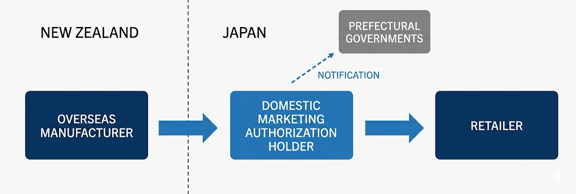
Figure 2: The Process of Selling "General Cosmetics" in the Japanese Market
But you can't let your guard down here. You must be very careful with your word choice in marketing!
Because you know exactly how good your own product is, it's tempting to use catchy phrases that boast its effects, but going overboard is strictly forbidden. It will be seen as "That's not just a toner anymore."
What does this mean?
Under Japanese law (the Pharmaceutical and Medical Device Act), there are two main categories: "General Cosmetics (Cosmetics)" and "Quasi-drugs (Medicated Cosmetics, etc.)."
General Cosmetics (Cosmetics): Items used to clean the body or make it look beautiful, which have a mild effect on the human body.
Quasi-drugs (Medicated Cosmetics, etc.): Items designated by the Minister of Health, Labour and Welfare that contain active ingredients with specific effects.
Normally, a toner is considered a "General Cosmetic," and the procedure is completed just with the aforementioned notification. However, if you want to appeal to specific efficacies, you cannot sell it unless it passes a rigorous, strict government screening as a "Quasi-drug."
The scope of efficacies recognised for "General Cosmetics" is defined by 56 items set by the Ministry of Health, Labour and Welfare, and if a product's advertising slogans exceed that scope, it becomes a violation of the law.
For example...
"Moisturises the skin and makes fine wrinkles caused by dryness less noticeable" is OK! But, "Erases fine wrinkles caused by dryness" is OUT!
"Conditions the skin after shaving" is OK! But, "Prevents razor burn (inflammation)" is OUT!
Because Japanese law heavily regulates everything from the import process to product ingredients and even the specific wording of advertisements, the Japanese market is said to have high barriers to entry.
2. The Overwhelming Quality Demanded by Japanese Consumers!
Naturally, it isn't a sweet world where "if you follow the rules, it will sell like hotcakes!" The next big wall standing in the way is "the needs of Japanese consumers." Even Dyson, famous for its cyclone vacuum cleaners, reportedly positioned Japan as a "special country" after seeing the extraordinary dedication Japanese people have to quality.
In fact, in the podcast episode, Elizabeth also mentions, "Japan is not an easy market where you can succeed overnight." This is because Japanese consumers tend to take their time carefully considering everything from a product's ingredients to the story behind it.
So, how did she tackle this formidable market and succeed in Japan? This is where the style Elizabeth has maintained since the brand's launch truly shone.
Nowadays, techniques aiming to "go viral" through SNS are everywhere, but she intentionally avoids transient approaches such as relying on influencers. She has thoroughly applied the steady approach she has practised since the company was founded nearly 20 years ago, before SNS even existed: "Deeply understand your own products and explain them carefully to sellers and customers."
Grasping unique Japanese market needs and responding to them sincerely through communication. Her "insatiable desire to research her own products" and her "attitude of valuing dialogue with the front lines and consumers" became a strong foundation for fighting in the notoriously difficult Japanese market!
3. The Spirit for Jandals × Japan Success Learned from Elizabeth
Up to this point, we've talked about the difficulty of entering the Japanese market in the cosmetics industry. From here, let's look at how Elizabeth overcame these massive walls to win trust in Japan!
Despite the strictly regulated cosmetics industry, her story is packed with "secrets to success" that apply to other Jandals (New Zealand companies) expanding into Japan!
1. An Attitude of Facing Japan's "Raw Voices"
Elizabeth deeply understands that Japanese consumers are very discerning and have a culture of taking their time to carefully consider a product's ingredients and its backstory. Furthermore, she pays attention to lifestyle habits that are completely different from NZ, such as the fact that "in Japan, people wash and condition their hair at night, not in the morning," and thoroughly observes the real lifestyles of Japanese people.
Discarding the assumption that "because it sells in New Zealand, it will naturally sell in Japan," and sincerely facing the characteristics of the Japanese market and the "raw voices" of Japanese consumers. This deep market understanding is the very foundation of creating products loved in Japan!
2. Steadily Built Trust Relationships
Valuing customer feedback is a given, but close communication with partner companies and retailers is also a secret to success!
As mentioned earlier, Elizabeth does not pay influencers aiming for a temporary boom. Instead, she has carefully built relationships with distributors and provided thorough product explanations to local shop staff. Antipodes products contain naturally derived ingredients from NZ, but many of them are unfamiliar to Japanese people. That is exactly why careful communication on the front lines was more important than anything else.
Building a relationship of trust where frontline staff deeply understand the "goodness of Antipodes products" and can convey it to customers in their own words. This attitude of "valuing communication with both the seller and the buyer" generates solid brand value in Japan!
3. Unwavering "Patience" That Doesn't Get Caught Up in Short-Term Profits
"Success in Japan is the accumulation of 10 years." All of Elizabeth's hardships and efforts were condensed into this phrase. Even Antipodes experienced a period of about three years after entering the Japanese market where their products didn't sell as expected.
Amidst their steady efforts, she mentioned experiencing a six-hour discussion when handing over the distributorship. For a New Zealander, there were times when the Japanese business etiquette of paying attention to the finest details felt frustrating. However, it was the accumulation of this patience, moving forward steadily step by step, that led to their current success.
Even if results don't appear immediately, having overwhelming "patience" to steadily build up brand sincerity and trust without getting caught up in short-term sales. Elizabeth's story teaches us that this is exactly the spirit needed to succeed in the extremely difficult Japanese market!
Afterword
Elizabeth's story was full of cross-cultural realisations that made me unconsciously voice out, "Ah, that's so true!" in agreement.
For example, the story about how "Japanese stores display only one row of products and hide their inventory." It's certainly true that in Japan, you might take something to the register thinking, "There's only one left on the shelf! I have to buy it quickly!", only for the clerk to pull out more stock from a drawer at their feet. To someone from NZ, that seems like a bizarre sight.
Also, the fact that the habit of "taking a shower and washing your hair at night," which is completely normal for us Japanese, is different in NZ was another "Ah, that's so true!" moment.
At first, I thought, "The skincare industry might be a slightly distant world for me...", but once I opened the lid, I was able to learn a lot about the cultural differences between New Zealand and Japan!
Furthermore, ever since I got to NZ, I kept hearing stories that "the Japanese market is tough to crack," but I never really understood what the specific hurdles were. Writing this post gave me the chance to dig into the complex rules and the harsh realities of the cosmetics and skincare industry, which was such a massive learning experience! I’d love to write more articles in the future that take a deeper dive into why the Japanese market is so notoriously difficult!
P.S.
Antipodes products can be purchased at Cosme Kitchen stores or through their official online store! A nice bonus is that the official Japanese online store offers free shipping on orders over 3,980 yen!
If this article caught your interest, please do try Antipodes skincare, packed with plant ingredients native to New Zealand's rich nature and Elizabeth's scientific approach!

